
How Often Does a Septic Tank Need Pumping?
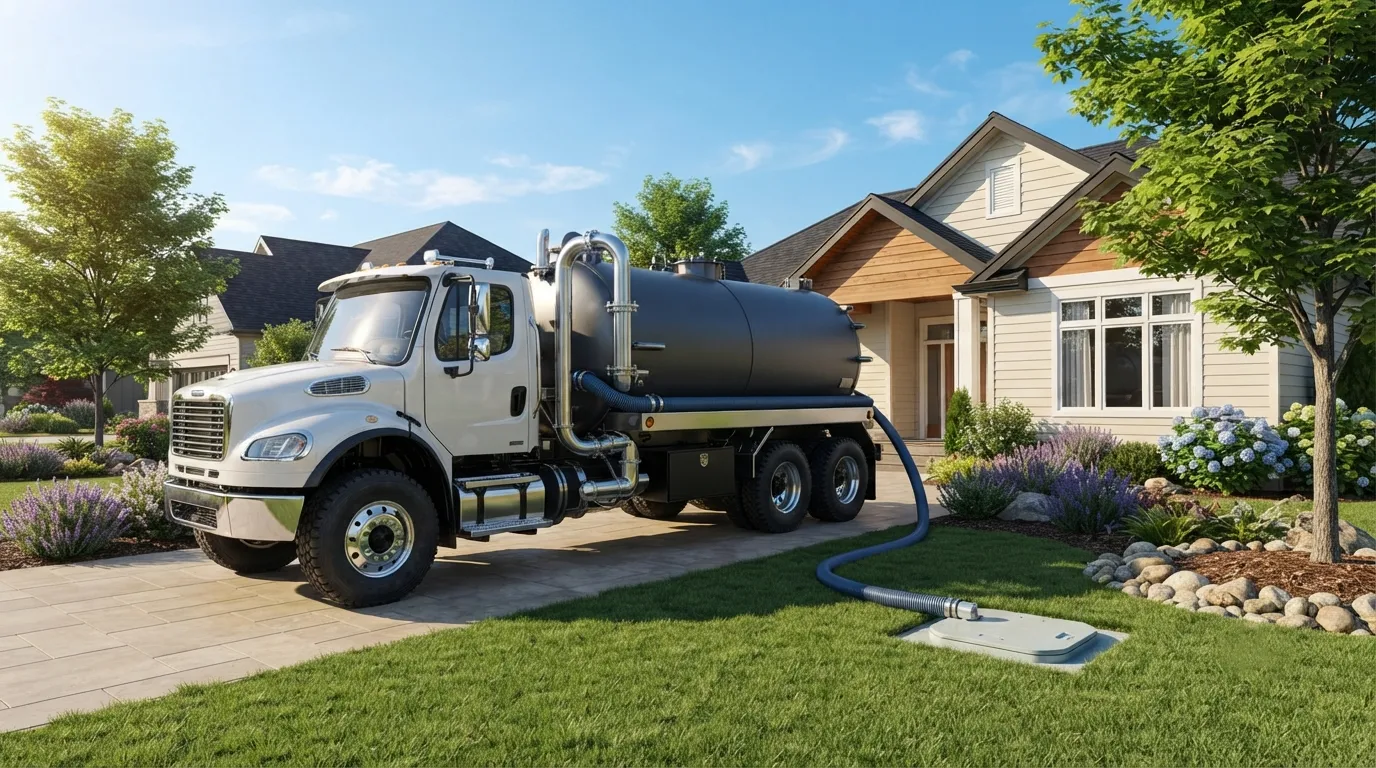
Three to five years is the general rule for a typical residential tank, and household size drives that number more than anything else. A family of six fills a tank faster than a retired couple in the same house, a pattern similar to how how many porta potties do i need scales with head count on a job site. Garbage disposals speed things up too, because they add solids that would otherwise skip the tank. If you are on a rental property or managing a job site in Dearborn instead of a house, the math changes: construction site services usually call for portable units on a service schedule rather than a fixed septic tank. For agricultural operations with hand-labor crews, OSHA 1928.110 sets a different standard entirely, requiring field sanitation facilities within a quarter mile walk. Homeowners who want the plain-English version of tank sizing can also check how often to pump a septic tank for the household-by-household breakdown.
What Are the Warning Signs a Tank Needs Pumping?
Slow drains, gurgling pipes, and standing water near the drain field are the three signs that show up first. A sewage smell in the yard, especially after rain, usually means the tank is at or past capacity. Grass that is suspiciously green and lush over the drain field is another tell, since it is feeding on effluent it should not be getting. If you catch any of these early, a routine pump job handles it, the same way catching a full standard porta potty rental unit early keeps a site from smelling. Ignore them and you are looking at a backup inside the house, which costs a lot more to fix than a scheduled visit. Full detail on what to watch for lives on our septic tank warning signs page, and it is worth a look before you call anyone.
What Does a Septic Pumping Service Include?
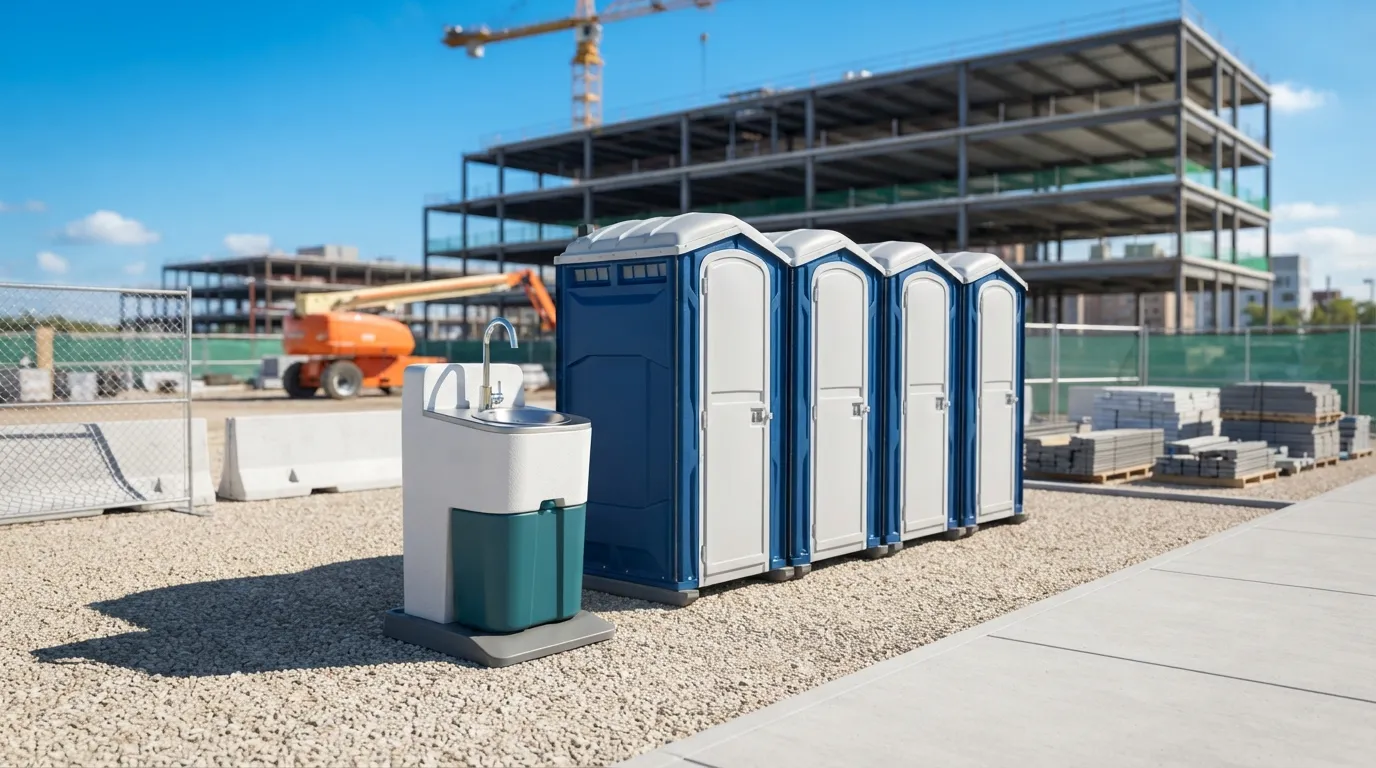
A full-service visit means the truck pumps the tank, we check the baffles, and we look for cracks or signs of a failing drain field while we are down there. It is not just suction and a drive away, and a similar level of care goes into servicing a deluxe flushable porta potty on the same route. Commercial kitchens need a related but different service: a grease interceptor gets pumped once fats, oils, grease and solids reach 25 percent of the liquid depth, which is a separate schedule from a residential tank. If your property runs both a septic system and a kitchen, ask about grease trap pumping at the same visit to save a trip charge. For a deeper look at tank cleaning versus a straight pump-out, see septic tank cleaning.

Septic Pumping Cost by Tank Size
Pricing depends mostly on tank size and how far the truck has to travel to reach it. A same-day pump on a standard residential tank falls in the range below, and a shorter weekend call for a smaller job runs less. Dearborn properties near Allen Park, 5.4 miles south, or Lincoln Park, 7.6 miles south, see the same pricing as jobs closer to downtown, since distance inside this service area does not change the rate.
| service | duration | low | typical | high |
|---|---|---|---|---|
| septic pumping | day | $150 | $250 | $300 |
| septic pumping | weekend | $50 | $100 | $150 |
These figures cover the pump-out itself, separate from what you would pay under porta potty rental per day for equipment instead of a septic visit. A full breakdown of what changes the number, including tank access and how recently it was last serviced, is on our septic tank pumping cost page. If your situation is closer to a portable unit than a fixed tank, porta potty rental cost covers that side of pricing instead.
Do You Offer Holding Tank Service?
Yes, and it is a different setup from a septic tank pump-out. A holding tank has no drain field, so everything that goes in has to come out by truck rather than filtering through soil. That makes it common on construction sites, remote properties, and events where a permanent system is not practical, alongside gear like a storage container rental or an ada accessible porta potty for the same setup. We size and service holding tanks the same way we handle portable restroom rental work: based on head count and how long the tank needs to run between visits. Full specs and scheduling details are on our holding tank rental page. Sites running both a holding tank and portable toilets often bundle handwashing too, since 29 CFR 1910.141(d)(2) requires soap and towels or a hand-drying device at any washing station, not sanitizer alone. Our handwashing station rental page covers unit options for that requirement.

What Happens in a Septic Emergency?
A backup inside the house, sewage surfacing in the yard, or a tank that is visibly overflowing all count as emergencies, and none of them wait for a normal appointment slot. Dearborn homes near Redford, 9.6 miles northwest, and Taylor, 9.9 miles southwest, get the same response priority as anywhere closer in. Our emergency septic service page has the direct line for that, and the porta john rental page covers standard unit swaps if a toilet fails at the same time. If the emergency is site sanitation rather than a septic failure, meaning a construction crew short on toilets or an event that oversold its restroom count, emergency porta potty rental is the faster fix, since a delivered unit beats waiting on a septic crew for something that does not need one.
Construction crews juggling both septic questions and daily toilet counts should also know OSHA 1926.51(c) sets sanitation facility ratios by crew size: one toilet for 20 workers or fewer, scaling up from there. That rule covers portable toilets on site, not septic tanks, but the two often come up in the same phone call. For general contractors setting up a new job in Dearborn, construction site services walks through toilets, roll-off dumpster rental, and temporary fence rental together, since most sites need all three at once, and a light tower rental or temporary power pole often rounds out the punch list.
Homeowners comparing a septic pump-out against a temporary sanitation setup during a renovation should look at home renovation porta potty options, since a unit on a weekly service beats hauling water to a half-torn-out bathroom. And if your property sits outside our usual radius, check service areas or the direct pages for Westland, Allen Park, or Lincoln Park before assuming we cannot reach you. Dearborn Porta Pros runs septic and portable sanitation as one operation, so a single call covers both.
For anyone still deciding between a septic system fix and renting equipment instead, our main Porta Potty Rental in Dearborn, MI page and the Portable Toilet Rental page both cover the rental side in plain terms, and Request a Quote gets a real number back the same day.
How much does septic tank pumping cost?
A standard residential pump-out falls in the $150 to $300 range for a same-day visit, with a lower weekend rate around $50 to $150 for smaller jobs. Exact cost depends on tank size, access, and how long since the last pump. See septic tank pumping cost for the full breakdown.
How often should a 1,000 gallon tank be pumped?
Every 3 to 5 years for a typical household, though a larger family or a garbage disposal in heavy use can shorten that window. Smaller households on the same tank size sometimes stretch closer to 5 years. Check how often to pump a septic tank for specifics.
What are the warning signs my septic tank is full?
Slow drains, gurgling pipes, standing water near the drain field, and unusually green grass over the field are the main signs. A sewage smell after rain is another common one. Catching these early avoids a backup inside the house. Full list on septic tank warning signs.
Is a holding tank the same as a septic tank?
No. A septic tank uses a drain field to filter wastewater into the soil, while a holding tank stores everything until a truck pumps it out. Holding tanks suit construction sites, remote sites, and events without permanent plumbing. Details on holding tank rental.
Do you offer emergency septic pumping in Dearborn?
Yes. A backup, overflow, or surfacing sewage counts as an emergency and gets priority response, regardless of whether the property sits in Dearborn proper or in a nearby town. Call the line on emergency septic service for immediate scheduling.
What is the difference between septic pumping and grease trap pumping?
Septic pumping empties a residential wastewater tank on a multi-year cycle. Grease trap pumping clears a commercial kitchen interceptor once fats, oils and grease reach 25 percent of liquid depth, a much shorter and usage-driven cycle. See grease trap pumping for commercial scheduling.
Next step
Get a delivery date
Tell us the address, the dates and the headcount. We size the order and confirm the route.