
How Often Does A Septic Tank Need Cleaning?
Three to five years is the range, but it moves with your household. A bigger family produces more solids and more water use, so the interval shrinks. A smaller household, or a bigger tank relative to occupancy, can stretch it toward the five-year mark. Homes running garbage disposals heavily tend to need service sooner, since more solids reach the tank. If you've added a bathroom, finished a basement, or started renting the place out, treat that as a reason to check sooner rather than assume the old schedule still holds. Dearborn homes on the older side of the housing stock sometimes have smaller original tanks paired with modern water use, which pushes intervals down. When in doubt, get septic tank cleaning scheduled and let the technician measure sludge and scum layers directly instead of guessing off a calendar.
What Happens If I Wait Too Long?
Solids build past the tank's capacity and start moving into the drain field, where they clog soil and can force an expensive rebuild. Slow drains, gurgling pipes, and standing water near the tank are the usual early signs; see septic tank warning signs for the full list. Backups into the house are the worst case and usually mean you waited past the point a routine pump-out could have prevented. If you're already seeing symptoms, this isn't a wait-and-watch situation. Call for emergency septic service instead of hoping it resolves on its own. A neglected tank in Dearborn faces the same freeze and thaw cycles as anywhere in southeast Michigan, and a compromised drain field is harder to fix once the ground is frozen.
What Does A Pumping Service Actually Cost?
| unit | duration | typical price |
|---|---|---|
| septic | day | $250 |
| septic | weekend | $100 |
Pricing depends on tank size, access, and how long it's been since the last service. A tank that's been neglected for years often takes longer to empty and clean thoroughly than one on a normal rotation. See septic tank pumping cost for a fuller breakdown, or request septic pumping service directly if you already know it's time. Commercial kitchens have a different clock entirely: a grease interceptor gets pumped once fats, oils, grease and solids reach 25 percent of the liquid depth, which has nothing to do with the 3 to 5 year residential range. If that's your situation, grease trap pumping is the right page, not this one.
Should I Track My Own Pumping Schedule?
Yes. Write down the date of every pump-out and keep it with your home records. That single habit prevents the most common failure mode, which is simply losing track and running years past the safe interval. Dearborn Porta Pros can also help outside straight septic work: if you're mid-renovation and need a place for crews to go while plumbing is disconnected, a holding tank rental bridges the gap. Homeowners doing a renovation that touches the septic system sometimes need a home renovation porta potty on-site too, since the bathroom may be unusable for days. For properties near Allen Park, about 5.4 miles south of Dearborn, or Redford, roughly 9.6 miles northwest, the same 3 to 5 year guidance applies; septic behavior doesn't change much across that stretch of southeast Michigan. If your property sits outside Dearborn proper, check service areas to confirm coverage.
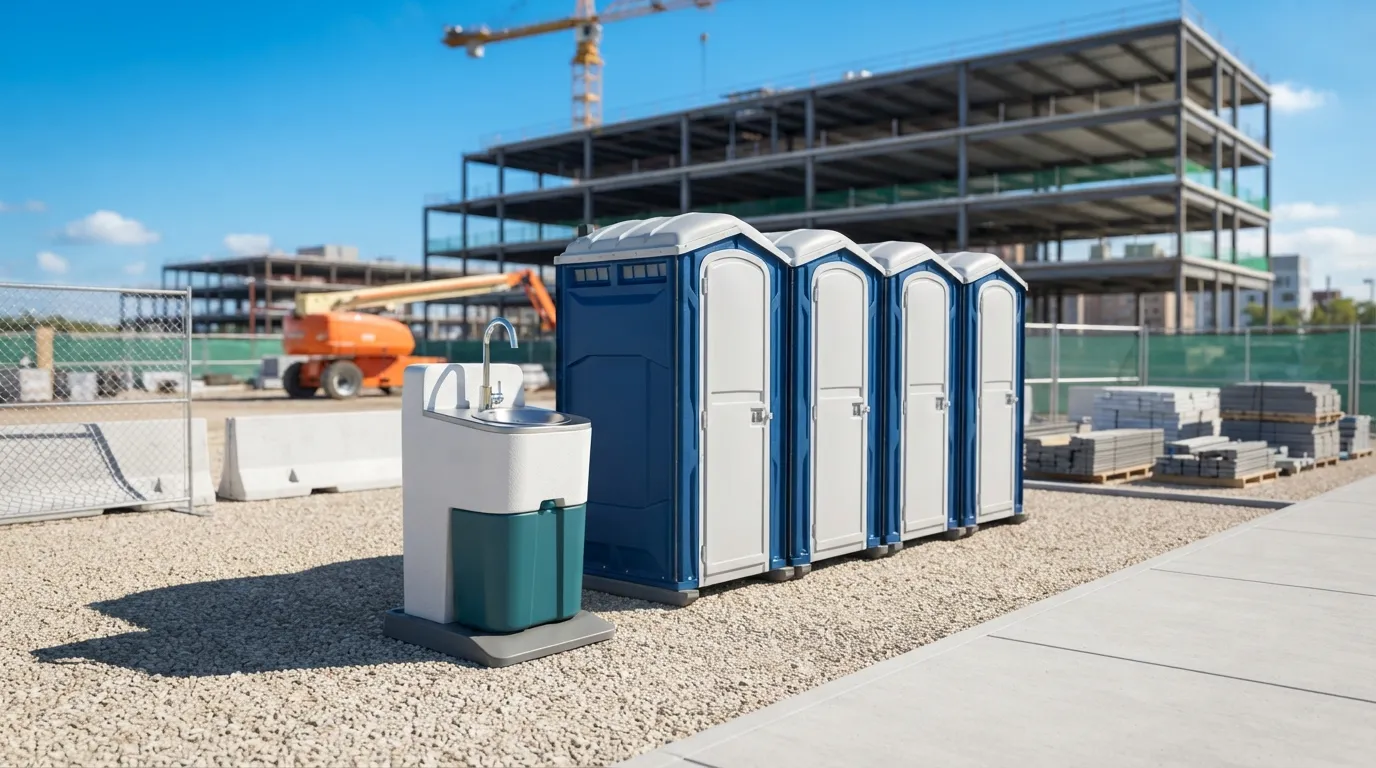
Construction and event sites have their own sanitation math that's separate from residential septic care. OSHA 1926.51(c) sets toilet ratios for job sites, starting at one facility for 20 workers or fewer, and that standard drives decisions on construction site services far more than tank pumping does. If you're planning for a crew instead of a household, how many porta potties do I need is a better starting point, and OSHA portable toilet requirements covers the full ratio table.
How do I know if my septic tank is due for pumping?
Track the date of your last service and compare it against the 3 to 5 year range for your household size. No record on file, or slow drains and odors near the tank, both mean it's time to check. A technician can measure sludge levels directly rather than relying on guesswork.
Does household size really change the pumping schedule?
Yes. A larger household sends more water and solids through the system, which fills the tank faster and shortens the safe interval. A couple in a house built for a family of six might stretch past five years; that same couple's grown children moving back in can cut it down fast.
What's the difference between septic pumping and septic cleaning?
Pumping removes liquid and floating scum; cleaning also breaks up and removes accumulated sludge from the tank bottom. Most routine service visits do both in one trip. See septic tank cleaning for what a full-service visit typically includes.
Can I pump my own septic tank?
Not safely, and most municipalities require licensed haulers for disposal anyway. Septic tanks produce dangerous gases, and DIY pumping risks both personal injury and improper waste disposal. Hire a licensed service and keep the receipt as part of your maintenance record.
What if I'm renovating and my septic system will be offline?
Plan for temporary sanitation before the work starts. A holding tank rental or a home renovation porta potty covers the gap while plumbing is disconnected, so the crew and household aren't stuck without a working bathroom.

Next step
Get a delivery date
Tell us the address, the dates and the headcount. We size the order and confirm the route.