How do porta potties work?
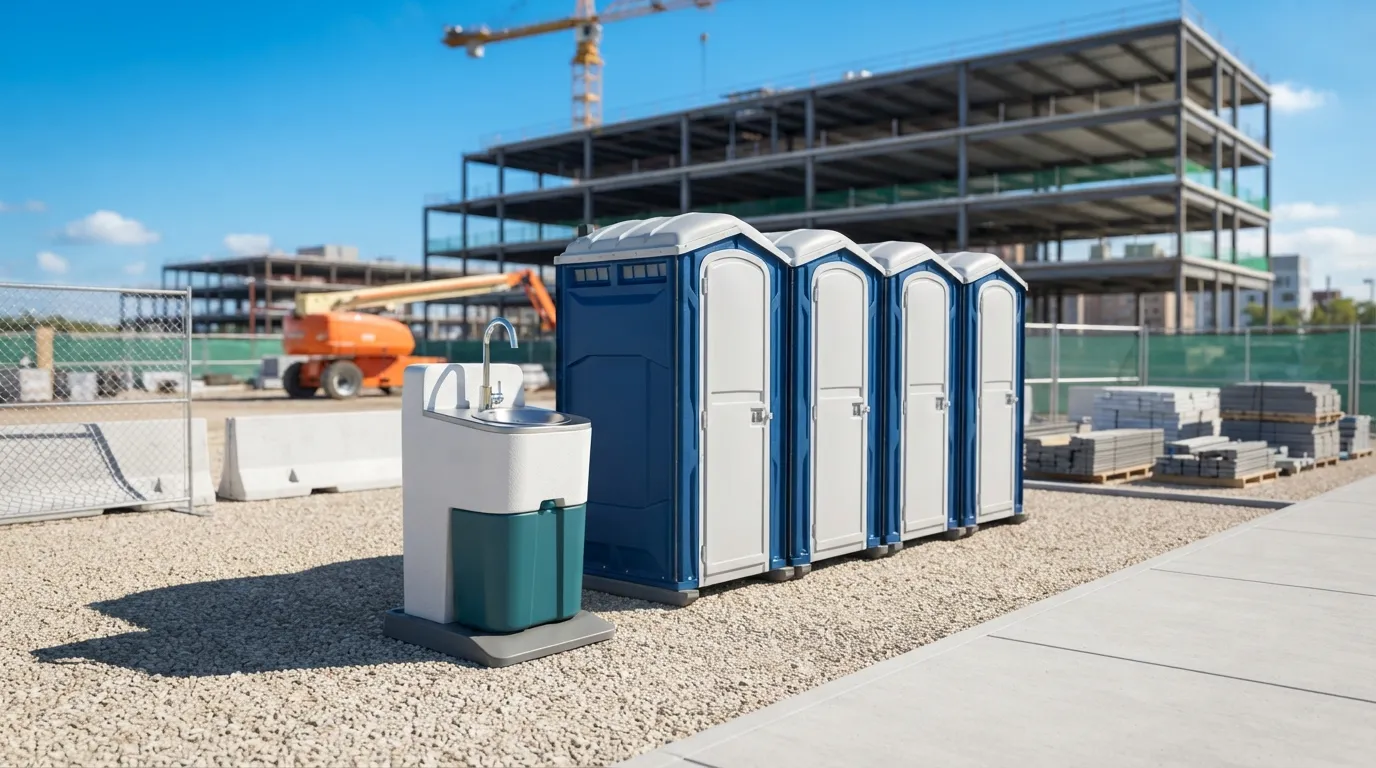
The setup is simpler than most people picture. A standard porta potty rental sits about 44 by 48 inches on the ground and stands roughly 92 inches tall, small enough to tuck beside a garage build in Dearborn or a backyard tent without blocking a work path. The seat covers a holding tank built into the base. There is no plumbing tied to it. Waste drops straight into the tank, where a blue chemical solution breaks it down and holds the smell back between services. A vent stack runs air up and out the roof, which is why you will notice a pipe on top of most units. Ask about the chemical and a route driver will tell you it is doing two jobs at once, controlling odor and slowing the buildup of solids so the tank does not fill faster than expected. For a construction crew, this matters more than it sounds. Under OSHA 1926.51(c)(1), a site with 20 workers or fewer needs at least one toilet facility, and every unit on that jobsite works the same way regardless of headcount. If you are still deciding on numbers for a project, the porta potty rental checklist walks through it before delivery day.
How does a portable sink work?
A portable sink rental runs on a self-contained fresh water tank, usually pressurized by a foot pump or a small 12 volt pump, with wastewater draining into a separate holding tank underneath. There is no hookup to a building line. Soap and a paper towel dispenser sit built into the unit, which matters because 29 CFR 1910.141(d)(2) requires washing facilities to be stocked with soap and towels or a hand drying device, not just sanitizer. These get paired with handwashing station rental setups on food-service jobs and painting crews. If your crew is working with paints, coatings, herbicides or insecticides, OSHA 1926.51(f)(1) specifically requires washing facilities for that contaminant exposure, separate from general sanitation rules. A hand sanitizer station rental is a fine add-on, but it does not replace the sink for that requirement. Full breakdown of what applies to your site is on the handwashing requirements page.
How do flushable porta potties work?
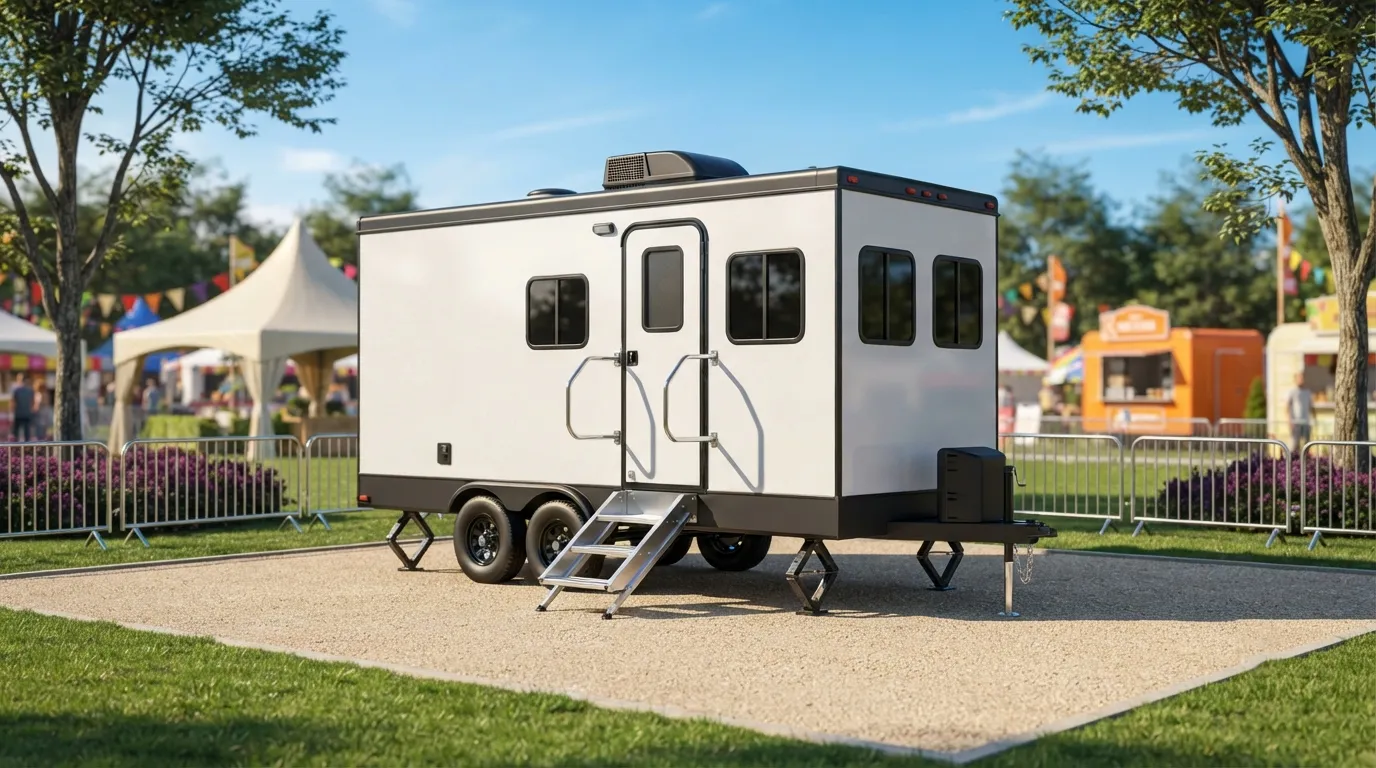
A deluxe flushable porta potty uses a small onboard freshwater tank and a hand pump or foot pedal to push a rinse of water through after each use, much like a low-flow toilet, then holds everything in the same style of sealed tank below. It feels closer to a real bathroom, which is why these get booked for weddings and backyard events around Dearborn rather than job sites. An ADA accessible porta potty uses the same tank system but adds a wider door and interior turning space. ADA Standards section 304.3.1 calls for a 60 inch turning circle, and section 404.2.3 sets minimum door width at 32 inches, so these units are built noticeably larger than a standard stall. Where units are clustered for an event, ADA Standards 213.2 requires at least 5 percent to be accessible, never fewer than one. For a wedding tent or an outdoor ceremony, that number gets planned into your order at wedding restroom rental and event restroom rental.
Do camping porta potties work the same way?
Not quite. A camping porta potty is typically a smaller, self-contained cassette toilet you empty yourself at a dump station, rather than a large tank serviced weekly by a truck. But for group camping, a farm stay, or a hunting camp near Dearborn, renting a standard unit from Dearborn Porta Pros works better than hauling a cassette model, since the tank capacity and weekly service under the ANSI/PSAI Z4.3 baseline interval covers up to 10 users over a 40 hour stretch without a mid-trip dump run. Farms and agricultural operations have their own sanitation rule, OSHA 1928.110, which calls for field sanitation within a quarter mile walk of hand-labor workers. That standard applies whether you are 5.4 miles south in Allen Park or working land closer into Dearborn itself. See farm and agricultural restrooms for how that gets set up.
| unit | day | week | month |
|---|---|---|---|
| standard | $100-$350 | $130-$500 | $125-$325 |
| deluxe flushable | $85-$1,200 | $150-$290 | - |
| ada | $200-$400 | $200-$240 | - |
Pricing depends on unit type and how long you need it, and the full cost breakdown by scenario is on porta potty rental cost and porta potty rental per day. For jobs running past a few weeks, monthly porta potty rental usually pencils out cheaper per day than booking week to week.
A construction worker running to a porta potty between pours does not think about tank chemistry, and that is the point. It should just work. Septic tank cleaning chemicals used in these units are a different product than what goes into a home system. A residential septic tank typically gets pumped every 3 to 5 years depending on tank size and household size, which is a service call, not a chemical treatment, and you can read how that process runs on septic pumping service and how often to pump a septic tank.
How often does a porta potty get serviced?
Weekly is standard for most rentals, based on the ANSI/PSAI Z4.3 baseline of one visit per week for up to 10 users over a 40 hour week. Busier events or larger crews need more frequent pumping. Check how often are porta potties cleaned for scheduling by use case.
Do porta potties need to be near an accessible route?
Yes, if the site has multiple units or a public event. ADA Standards 403.5.1 requires a 36 inch clear route, and the ground itself has to be stable and slip resistant under 302.1. See porta potty placement guide before delivery.
What chemical is used in porta potties?
A blue deodorizing solution breaks down waste and controls odor between services. It is added at each pumping visit by the service truck, not something a renter refills. Ask Dearborn Porta Pros if you have questions about a specific product.
How many porta potties does my jobsite need?
It depends on crew size. OSHA 1926.51(c)(1) sets the ratio starting at one facility for 20 workers or fewer, scaling up from there. Use how many porta potties do i need to work out your exact count.
Can I rent a portable sink without a porta potty?
Yes. Many food trucks, painting crews and small events rent a portable sink rental or handwashing station rental on its own, especially where OSHA 1926.51(f)(1) applies to paint or chemical exposure without needing a full restroom setup.
Next step
Get a delivery date
Tell us the address, the dates and the headcount. We size the order and confirm the route.